6 Key Door Closer Parts Explained by Door Closer Manufacturer dorrenhuas
Quick Answer: What Are the Main Components of a Door Closer?
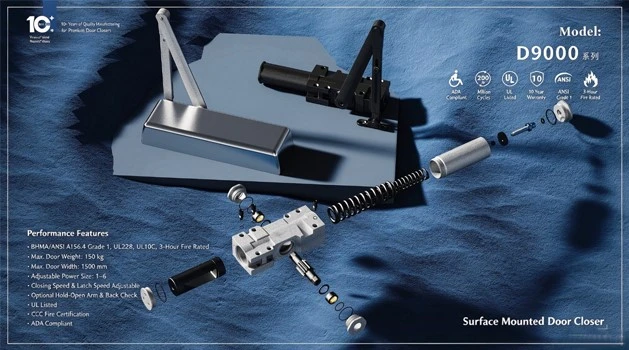
A hydraulic door closer consists of several precision components that work together to control door closing movement. The main components include:
Door closer body – provides structural support and houses the hydraulic mechanism.
Return spring – generates the closing force required to close the door.
Gear cylinder and pinion shaft – transfers mechanical movement between the door and internal mechanism.
Power adjustment screw – controls the closing force according to door size and weight.
Speed adjustment valve – regulates hydraulic oil flow and closing speed.
Arm assembly – transfers the closing force from the door closer to the door.
These components work together to provide smooth, controlled, and reliable door closing performance.
Introduction
A hydraulic door closer is a precision mechanical device designed to automatically close a door after opening. Although it appears simple from the outside, its smooth and reliable operation depends on the precise cooperation of multiple internal components.
The main door closer parts include the door closer body, return spring, gear cylinder and pinion shaft, power adjustment screw, speed adjustment valve, and arm assembly. Each component plays an important role in controlling closing force, closing speed, durability, and overall door control performance.
As a professional door closer manufacturer, Dorrenhaus integrates advanced manufacturing technology, precision machining, and strict quality control to produce reliable hydraulic door closer solutions for commercial buildings, fire doors, and various architectural applications.
In this article, we will explain the function, material, and manufacturing process of each key door closer component, helping you better understand how a hydraulic door closer works.
1. Door Closer Body: The Foundation of a Hydraulic Door Closer

The door closer body is the main structural housing of a hydraulic door closer. Also known as the door closer housing, it works as a sealed chamber that contains key internal components, including the return spring, hydraulic piston, gear mechanism, pinion shaft, hydraulic oil, and internal oil circuits. It provides structural support, maintains hydraulic sealing, and prevents oil leakage during operation.
Dorrenhaus manufactures door closer bodies using high-quality die-cast aluminum alloy or cast iron materials. The one-piece casting structure provides excellent strength and durability while protecting internal precision components from external impact, dust, and environmental factors. It also achieves a balance between lightweight design and structural performance.
Each hydraulic door closer body undergoes precision machining to ensure accurate dimensions, uniform wall thickness, and reliable pressure resistance. The powder-coated surface finish improves corrosion resistance and aging resistance. For fire-rated door closers, the reinforced housing design helps maintain stable performance under high-temperature conditions and frequent operation.
2. Return Spring: The Power Source of a Door Closer

The door closer spring is the key component that generates the closing force of a hydraulic door closer. When the door is opened, the spring stores mechanical energy and releases it during closing, working together with the hydraulic system to achieve controlled and smooth door movement.
Dorrenhaus uses high-quality spring steel materials to manufacture door closer springs, providing excellent elasticity, fatigue resistance, and long-term durability. Precision processing and strict quality control ensure consistent spring performance during repeated opening and closing cycles.
As an essential door closer component, the return spring directly affects closing force, opening comfort, and service life. A reliable spring design enables door closers to support different door weights and maintain stable performance in commercial and heavy-duty applications.
3. Gear Cylinder and Pinion Shaft: The Core Transmission Mechanism
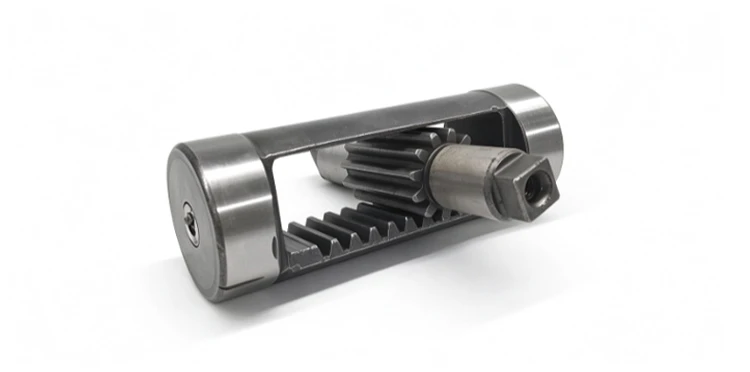
The door closer gear mechanism, including the gear cylinder and pinion shaft, is responsible for transferring mechanical force between the door arm and the internal closing system. When the door opens, the pinion shaft rotates and converts movement into the compression of the return spring.
Dorrenhaus manufactures door closer pinion shafts and gear components using high-strength materials and precision machining technology. Accurate processing ensures proper engagement between the gear cylinder and shaft, reducing wear and improving mechanical efficiency.
The quality of the door closer gear mechanism directly influences operating smoothness, load capacity, and product durability. A reliable transmission structure helps the hydraulic door closer maintain consistent performance during frequent daily operation.
4. Power Adjustment Screw: Controlling Closing Force
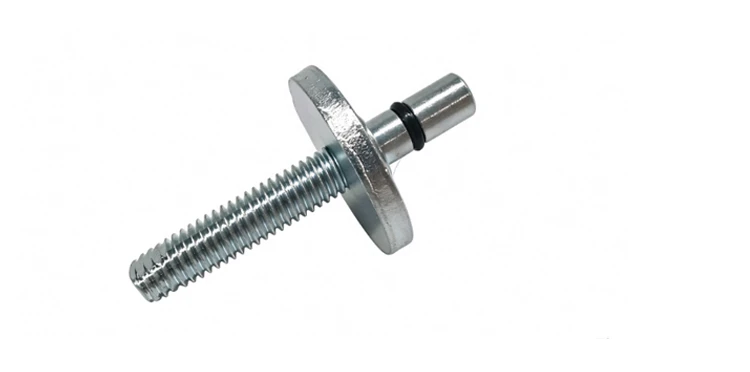
The door closer power adjustment screw is the component used to adjust the closing force of a hydraulic door closer. By changing the spring preload, it allows the door closer to adapt to different door sizes, weights, and installation requirements.
Dorrenhaus produces adjustment screws through precision machining processes to ensure accurate adjustment and stable performance. The screw structure is designed for reliable operation and long-term use without affecting the internal mechanism.
A properly designed door closer adjustment screw helps installers achieve the correct closing force while maintaining comfortable door opening and effective closing performance. It is especially important for applications requiring different power sizes and door configurations.
5. Speed Adjustment Valve: Regulating Closing Performance

The door closer adjustment valve controls hydraulic oil flow inside the door closer body, allowing users to adjust closing speed and latching speed according to specific requirements. It plays an important role in achieving smooth and controlled door movement.
Dorrenhaus manufactures hydraulic valves with precision machining and reliable sealing technology to ensure accurate adjustment and stable hydraulic performance. The valve design helps prevent excessive closing speed and improves user safety.
As a critical hydraulic control component, the door closer speed adjustment valve directly affects closing comfort, noise control, and long-term reliability, especially in commercial buildings and fire door applications.
6. Arm Assembly: Transferring Mechanical Power to the Door
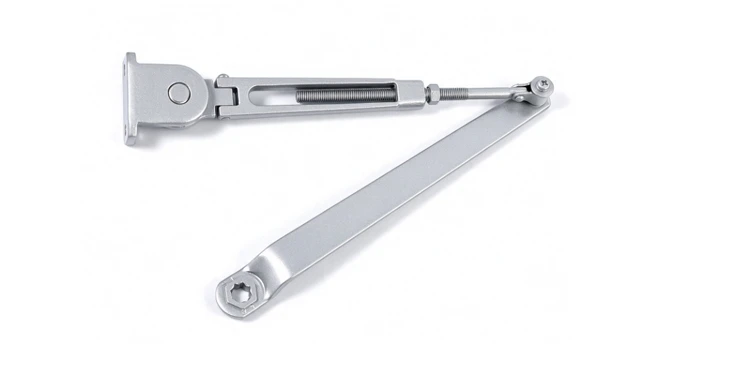
The door closer arm assembly connects the door closer body with the door frame and transfers mechanical force from the internal mechanism to the door. It plays an important role in converting the rotation of the pinion shaft into controlled door movement.
Dorrenhaus manufactures door closer arms using durable materials and reliable structural designs to ensure strong connection and stable operation. Different arm configurations can meet various installation requirements, including standard arm and parallel arm applications.
A high-quality door closer arm assembly improves power transmission efficiency, installation flexibility, and overall product reliability. It is an essential component for achieving smooth and controlled door closing performance.
What Buyers Should Consider When Selecting Door Closer Components
When selecting a hydraulic door closer, buyers should consider:
1. Door Weight and Size
The required closing force depends on door dimensions, weight, and installation environment.
2. Material and Manufacturing Quality
High-quality materials and precision machining improve durability and reliability.
3. Certification Requirements
For fire door applications, buyers should consider products that meet relevant certification standards such as UL or CE requirements.
4. Application Environment
Commercial buildings, hotels, hospitals, and high-traffic entrances may require different door closer specifications.
Why Choose Dorrenhaus as Your Door Closer Manufacturer?
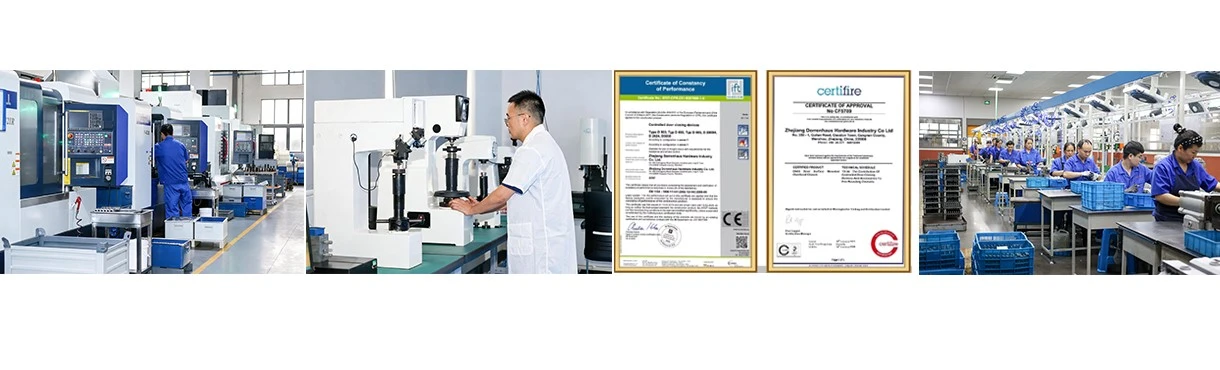
Dorrenhaus specializes in the design and manufacturing of hydraulic door closers, integrating casting, precision machining, assembly, testing, and quality control processes.
With advanced production capabilities and international certifications including CE and UL approvals, Dorrenhaus provides reliable door control solutions for global distributors, contractors, and architectural projects.
FAQ About Door Closer Components
What are the main parts of a hydraulic door closer?
A hydraulic door closer mainly consists of the body, return spring, gear mechanism, adjustment screws, speed valves, and arm assembly. Each component controls different aspects of door movement, including closing force, speed, and stability.
What is the most important component of a door closer?
The door closer body is one of the most critical components because it houses the hydraulic system and internal mechanism. However, reliable performance depends on the cooperation of all components, including the spring, gear mechanism, and adjustment valves.
What materials are used for door closer components?
Door closer components are commonly manufactured using materials such as aluminum alloy, cast iron, steel, and precision-engineered sealing materials. Material selection affects durability, corrosion resistance, and long-term performance.
How does a hydraulic door closer control closing speed?
A hydraulic door closer controls closing speed through adjustment valves that regulate hydraulic oil flow inside the closer body. By adjusting the valve settings, users can control sweep speed and latch speed.
Why is manufacturing quality important for door closer components?
Precision manufacturing ensures proper fitting between internal components, stable hydraulic performance, and longer service life. Manufacturing processes such as casting, machining, surface treatment, and testing directly affect product reliability.